
Inbound tourist flow to Russia grew by 7.5% in the first half of the year
On September 7, a press conference dedicated to a comprehensive analysis of the 2026 summer tourist season was held at the TASS press center. Members of the Presidium of the Russian Union of Travel Industry (RUTI) took part in the press conference, where they discussed demand dynamics for domestic and international destinations, changes in accommodation prices, and consumer behavior. INTOURIST was represented at the press conference by Deputy General Director Alexander Musikhin.
One of the conference segments was devoted to inbound tourism, with a presentation delivered by Alexander Musikhin, Deputy General Director of the INTOURIST tour operator and co-head of the RUTI Committee on Inbound Tourism.
According to him, overall inbound tourist flow to Russia grew by 7.5% in the first half of the year.
The 5 key inbound markets at the moment:
- China: +20% (due to the visa-free regime and more than 250 weekly flights between Russia and China);
- Turkey: +20%;
- Saudi Arabia: -4%;
- India: +15%;
- Vietnam: +69%.
The average spend per foreign tourist amounted to slightly over $1,000 (excluding flights), and the most expensive tour of the season was a trip for guests from the United States priced at $15,000 per person (Moscow, St. Petersburg, and the Golden Ring).
As Alexander Musikhin noted, there is currently a noticeable shift in the structure of demand: the share of excursion tourism is growing, while the share of business tourism is declining. At the same time, booking lead times are increasing — tourists from East Asia, Southeast Asia, and Latin America are already booking tours to Russia for 2027.
Traditionally, the most popular destinations among foreign visitors remain Moscow and St. Petersburg, Primorye (for cross-border Chinese tourism), as well as the Krasnodar Territory, Murmansk, and Lake Baikal. Interest in the Trans-Siberian Express and car tourism from China is growing.
Positive factors include the expansion of the list of visa-free countries, the weakening ruble, which makes prices in foreign currency much cheaper for international tourists, and the well-functioning electronic visa (available to citizens of 60+ countries).
«For further growth, it is necessary to more actively support businesses in developing inbound tourism, attract foreign air carriers to create competitive prices, and continue liberalizing the visa regime, up to the introduction of a multiple-entry electronic visa,» Alexander Musikhin concluded.

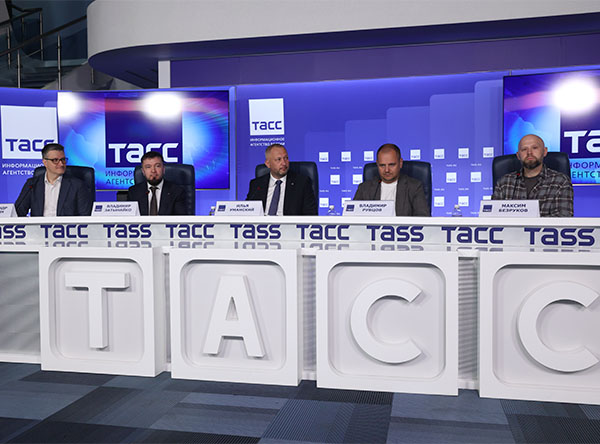
Photo author: Alisa Makarova / TASS
